In The News

Vivaldi Music Academy Plans First Location in Arkansas

Vivaldi Music Academy
The Renowned Vivaldi Music Academy is opening in Little Rock –  celebrating 10 years and seven locations.

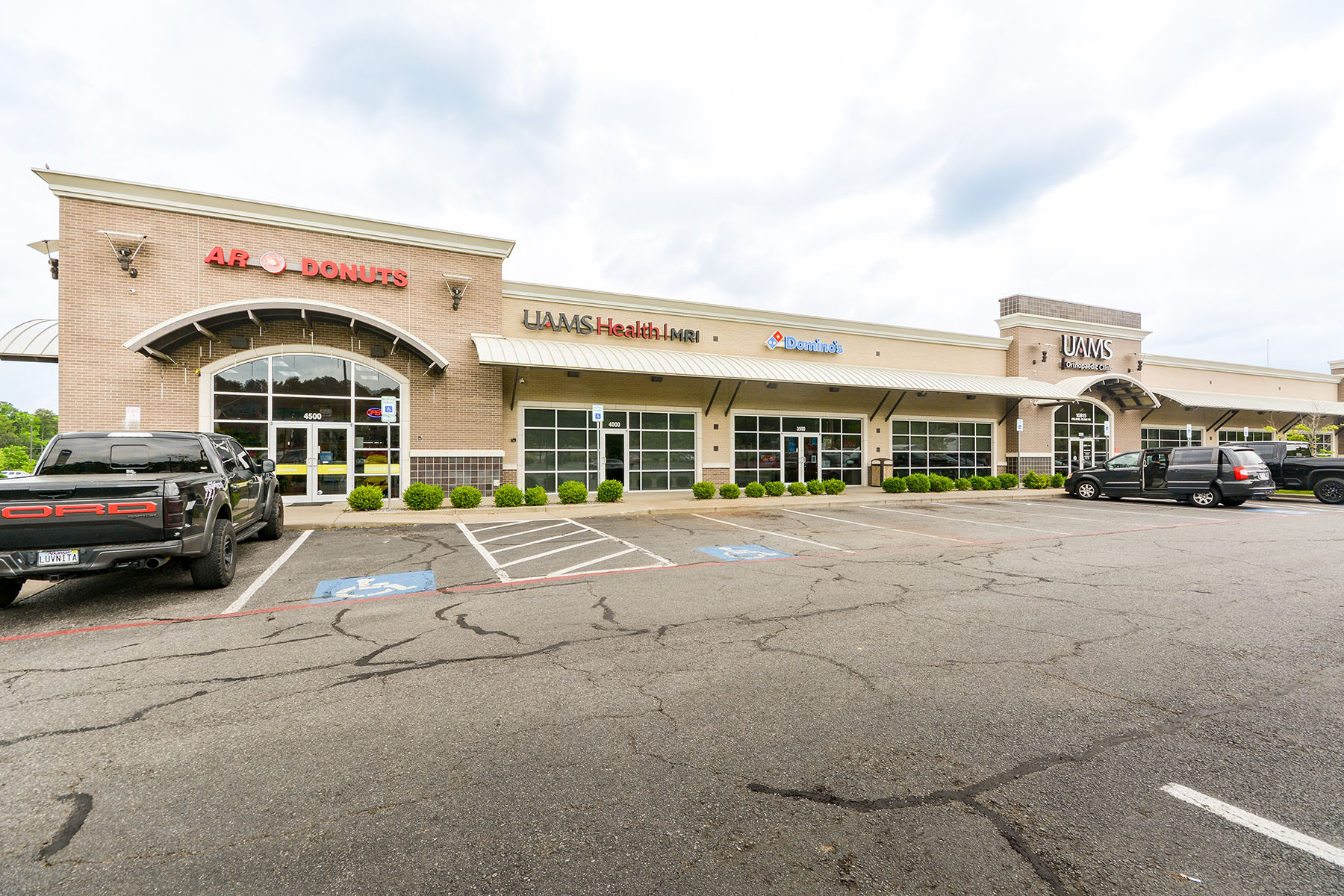
Kelley Commercial Partners is proud to announce the imminent arrival of the largest music school in the United States, Vivaldi Music Academy, to the Bowman Curve Shopping Center in Little Rock, Ark. Vivaldi Music Academy, a renowned music school that offers personalized music education for children and adults, will open its newest school later this fall.

This is a big win not only for music enthusiasts but also significant for the Bowman Curve Shopping Center and the surrounding businesses. The retail center is already a hub of activity in the area, with a range of shops, restaurants, and services. The addition of Vivaldi Music Academy to the mix adds a new dimension to the center, attracting new, affluent customers and creating more foot traffic. As students attend their music lessons, their parents and guardians may spend time in the shopping center, shopping, dining, or running errands.

Vivaldi Music Academy

Vivaldi Music Academy Coming to Bowman Curve Shopping Center This Fall

Founded in 2013, Vivaldi Music Academy has quickly become recognized as the fast growing music schools in the country, with five locations in Houston, Tex., and San Antonio, Tex.,. The academy offers private and group music lessons in a range of instruments, including piano, guitar, violin, cello, drums, and voice, among others. The school prides itself on its personalized approach to music education, tailoring lessons to the individual needs and goals of each student.

Kelley Commercial Partners is thrilled to have been a part of the team that brought this new tenant to Bowman Curve Shopping Center. We are committed to supporting and fostering growth in Central Arkansas, and the arrival of Vivaldi Music Academy is an excellent step towards that goal. We look forward to seeing the positive impact the academy will make in the community and are excited to see what the future holds for Bowman Curve.

Tenant Improvement Allowances

Tenant improvement allowances, or TIAs, are a common aspect of commercial leases. They refer to the amount of money that a landlord is willing to contribute towards the cost of renovations or customizations made to a leased property by the tenant. These allowances can play a critical role in determining whether a tenant can afford to take on a lease, and they can also be a point of negotiation between the landlord and tenant.

Tenant improvement allowancesThe first step in determining the amount of a tenant improvement allowance is to establish the scope of the project. This typically involves creating a detailed list of all the renovations or customizations that the tenant would like to make to the property, including the materials and labor required. The list should also include any necessary permits or approvals that will be required for the project.

Once the scope of the project is determined, the next step is to estimate the cost of the project by obtaining quotes from contractors or suppliers for the materials and labor required. The landlord can then decide on an allowance amount they are willing to contribute, which is generally a percentage of the total project cost. The percentage will vary depending on the landlord and the specific circumstances of the lease.

It’s important to note that the tenant improvement allowance is typically applied to the rent. This means that the tenant will pay a higher rent to the landlord to compensate for the allowance. Tenants should carefully consider the total cost of the lease, rent plus allowance, when deciding about whether to take on a lease.

From the landlord’s perspective, offering a tenant improvement allowance can be a way to attract and retain tenants in a commercial space. It can also be used to incentivize tenants to improve or upgrade a space in a way that benefits the overall property. A tenant improvement allowance can also benefit a tenant as it can reduce the costs associated with outfitting a space to meet their specific needs. Additionally, the tenant may be able to negotiate a higher allowance from the landlord if the tenant improvements benefit the property overall.

Tenant improvement allowances can play a key role in commercial lease negotiations and greatly benefit both tenants and landlords. When discussing tenant improvements, it’s crucial to have a defined goal and a well-thought-out strategy. At Kelley Commercial, our experienced professionals are ready to assist you in creating a clear plan and provide the guidance you need to confidently negotiate the best possible outcome as a tenant or landlord. Contact us today to learn more about how we can help you make an informed decision.

Due Diligence Explained

Due diligence typically involves reviewing and gathering a variety of information about a property, including financial records, legal documents, appraisals, and physical inspections before a buyer or seller enters into an agreement. The role of a commercial real estate agent in the due diligence process is to act as a facilitator, helping to gather and organize information, and to serve as a resource for the buyer or seller as they assess the potential risks and liabilities associated with the purchase or sale of a commercial property.

Due Diligence

Our job is to facilitate transactions for either buyers or sellers.

Due Diligence for Buyers

From the buyer’s perspective, due diligence is an important step in the process of purchasing commercial real estate because it helps them make an informed decision about whether to purchase the property and to understand the potential risks and liabilities associated with the purchase. Some specific tasks that may be involved in due diligence for a commercial real estate transaction from the buyer’s perspective include:

  • Reviewing financial documents, such as tax records, budgets, and income statements, to assess the financial health and performance of the property.
  • Examining legal documents, such as leases, contracts, and deeds, to understand the property’s ownership and any legal liabilities or obligations associated with it.
  • Conducting physical inspections of the property to assess its condition and identify any potential issues or repairs that may need to be addressed.
  • Reviewing environmental reports and assessments to ensure that the property is in compliance with local and national environmental regulations and to identify any potential environmental hazards.
Due Diligence for Sellers

From the seller’s perspective, due diligence is the process of providing information and documentation about the property to the potential buyer. The seller is responsible for disclosing any known issues or problems with the property, as well as providing any relevant financial and legal documents for the buyer to review. In addition to providing information to the buyer, the seller may also want to conduct their own due diligence on the buyer. This could involve reviewing the buyer’s financial situation and ability to purchase the property, as well as their plans for the property once they take ownership.

Our associates at Kelley Commercial Partners have the experience and knowledge to ensure seamless property transactions for either buyers or sellers. If you’re considering the acquisition of a property or the sale of property, consider representation from our team. Contact one of our experts today.

Rising Interest Rates Present Opportunities for Commercial Real Estate Investors

rising interest ratesWhen interest rates rise, it can potentially make borrowing more expensive for commercial real estate investors. This may lead some investors to shift their focus to properties that have stable, long-term cash flow, as these properties may be able to generate enough income to offset the higher borrowing costs. However, rising interest rates can also create opportunities for certain types of investments.

One potential opportunity for commercial real estate investors when interest rates rise is to focus on investments that are relatively insensitive to changes in borrowing costs. For example, properties with long-term leases or properties that have stable, predictable cash flows may be less affected by rising interest rates.

Another option for commercial real estate investors is to invest in properties with strong demand, such as properties in high-growth areas or properties that are leased to creditworthy tenants. These properties may be able to command higher rents, which can help to offset the higher borrowing costs associated with rising interest rates.

Investors might also consider exploring alternative financing options, such as private lending or crowdfunding, which may offer more favorable terms than traditional bank financing.

Finally, commercial real estate investors might negotiate interest rate swaps or caps with their lenders, which can help to mitigate the impact of rising rates on their investment portfolio.

For nearly 40 years, Kelley Commercial Partners has helped provide clients with a competitive advantage. We have the knowledge and experience to help clients navigate through the ever-changing market. Whether you are new to the commercial real estate market or an experienced investor, we are here to help you meet your real estate goals. Contact us today.

Simmons Tower Lobby Perks Up

Italian Coffee Corner

Things are perking up in the lobby of Simmons Tower. Italian Coffee Corner opened in early November, and it is quickly becoming a regular stop for a morning boost, lunch, or an afternoon pick-me-up.

Owners, Bruno Muskaj and wife, Yuliia Kornytska had just opened Coffee Corner in Maumelle when they learned about lobby space available in Simmons Tower. Brooke Miller and Brandon Sheard of Kelley Commercial Partners met with the couple and showed them the space in the southeast corner of the lobby. The couple decided to go for it and open a second location. They placed their order for another Italian-made Lavazza espresso machine and waited three months for its arrival. The Lavazza finally arrived, and she is a beauty! With Bruno in charge and using Lavazza’s 100 percent Arabica beans, the results are smooth, rich, and oh, so gratifying.

Yuliia and Bruno met while working on a cruise ship and dreamed of opening a coffee shop of their own. They were about to open one in Saranda, Albania when Covid hit and a friend asked them for help in his restaurant in Arkansas. Arkansas? Bruno grew up in Albania and never thought he could live away from the sea, but when he saw Arkansas, he loved it. “It’s beautiful here. Lots of trees. Plenty of water,” Bruno said.

Bruno Muskaj, co-owner of Italian Coffee Corner

Bruno Muskaj, co-owner of Italian Coffee Corner

Bruno’s love for coffee began at a very early age when his Italian grandmother showed him how to make espresso. His favorite drink is the ristretto, which is a concentrated, short espresso shot. Yuliia’s Ukrainian roots influence the pastries they serve — buttery, flakey, and delicious.

Now with two shops, Yuliia manages the very busy Maumelle location while Bruno manages the downtown shop. Bruno prefers being in the center of the city with lots of activity. Their menus differ slightly but both offer plenty of options ranging from the crowd-favorite chocolate danishes to savory sandwiches served on their freshly baked, buttery croissants.

So, next time you’re downtown and need a little something to get you going, visit the Italian Coffee Corner in Simmons Tower. They’re open Monday through Friday from 7 a.m. to 3 p.m.* Coffee Corner in Maumelle is open Monday through Saturday from 6 a.m. to 2 p.m. and Sundays from 8 a.m. to noon.

* Hint: If you don’t happen to work in or near Simmons Tower, the southeast entrance nearest the intersection of 6th and Spring Streets will lead you directly to Italian Coffee Corner. Metered parking is almost always available on 6th St.